

Offshore Online Casinos: Why Global Players Trust Unlicensed High-Limit Sites
Ever wondered what makes offshore online casinos such a popular choice for players seeking a little extra freedom? Simply put, these are digital gaming platforms based outside your home country, letting you log in and play your favorite slots or table games from anywhere with an internet connection. The core appeal lies in their flexibility, offering a vast variety of games, generous bonuses, and the convenience of instant, round-the-clock access without stepping out your front door. To get started, you just pick a site, create an account, make a deposit using a method you trust, and dive straight into the action—making it a truly hassle-free gaming experience.
What Exactly Makes a Casino “Offshore” and Why Do Players Choose It?
An offshore online casino is simply one that operates its servers, license, and legal entity in a jurisdiction different from where you, the player, reside. The core distinction isn’t about “hidden” sites—it’s about geographic arbitrage. Players choose them because this separation often translates into tangible, practical perks: higher betting limits that domestic operators won’t offer, faster payouts since the casino isn’t tangled in your local banking network’s compliance hoops, and access to a broader game library that regional licensing boards may ban. You also get more privacy, as offshore sites typically require less identity documentation for cashouts.
The key insight is that you aren’t choosing a rogue operation; you’re choosing a business that legally answers to a different set of rules—which often means fewer caps on your wins and fewer restrictions on how you play.
The trade-off is that your consumer protections and dispute recourse are only as good as that foreign jurisdiction’s own—so your practical benefit is freedom, not safety nets.
Key differences between offshore platforms and local gambling sites
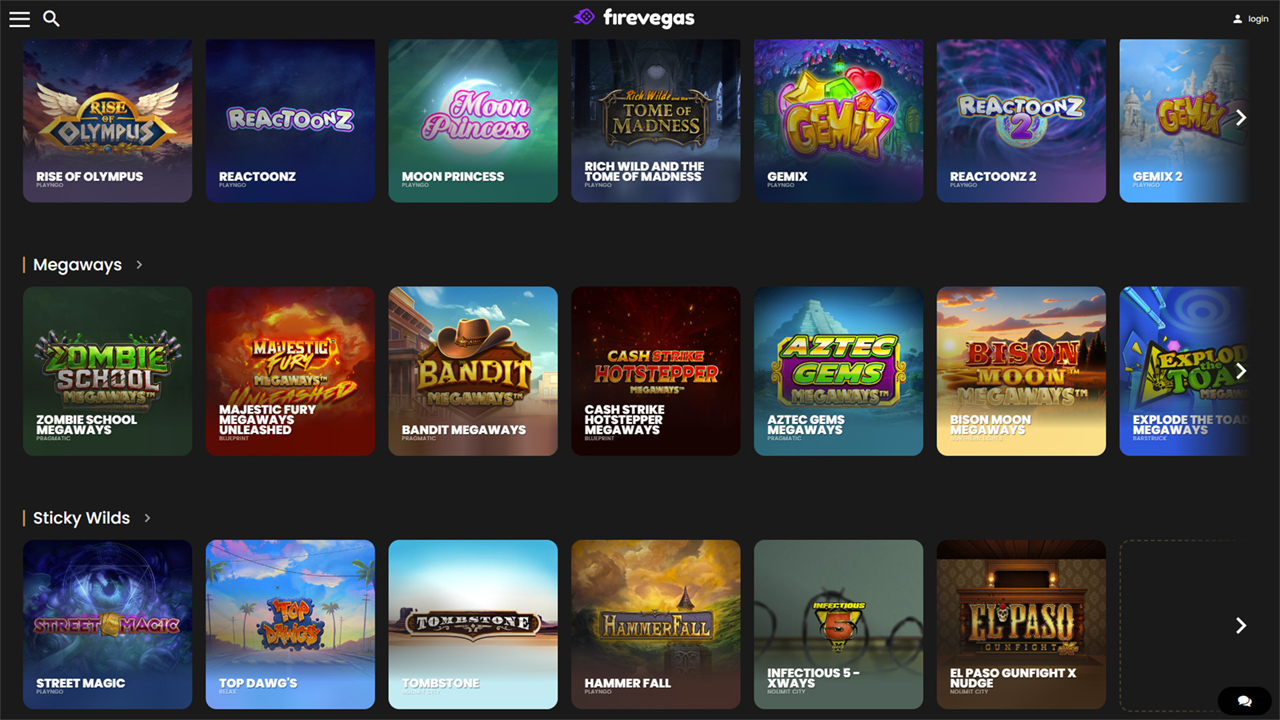
The primary difference between offshore platforms and local gambling sites lies in the payment infrastructure: offshore casinos typically process crypto and e-wallet withdrawals within hours, while local sites are often bound to slower bank transfers. Local platforms usually require identity verification before any transaction, whereas offshore operators may allow play with just an email and a deposit. Game selection also diverges—offshore libraries feature thousands of unregulated titles from international providers, while local sites are restricted to a vetted, smaller catalog. Furthermore, offshore platforms routinely offer uncapped bonuses and no mandatory deposit limits, a flexibility local gambling sites cannot match due to their compliance with domestic consumer caps.
Key differences between offshore platforms and local gambling sites: faster crypto payouts, minimal KYC, expansive game variety, and uncapped bonuses versus slower banking, strict verification, smaller catalogs, and imposed limits.
Core advantages: bigger bonuses, faster payouts, and fewer restrictions
Offshore operators convert their regulatory freedom into tangible perks, starting with bigger bonuses and faster payouts. Because they avoid the costly compliance burdens of onshore jurisdictions, they redirect those savings into higher match percentages and lower wagering requirements. Payouts are processed directly from the house treasury, bypassing intermediary banking layers, so withdrawals often clear within hours rather than days. Fewer restrictions mean no caps on monthly cashouts, no mandatory cool-off periods, and no bans on payment methods like crypto or e-wallets. This structure creates a leaner, player-first cycle: aggressive promotions fuel deposits, rapid withdrawals build trust, and minimal rules keep the experience frictionless.
Offshore casinos win on practical value: heftier bonuses, near-instant payouts, and a rulebook that prioritizes player freedom over bureaucratic oversight.
How to Verify a Foreign Gambling Platform Is Safe Before Depositing Real Money
Before wiring money to an offshore online casino, I always run a three-part sanity check. First, I demand a live chat session at 3 AM their time—if a human answers within two minutes, their support infrastructure is real, not a ghost script. Second, I deposit the minimum amount and immediately request a withdrawal to a crypto wallet; a safe platform processes this within 24 hours, while a fraudulent one invents “pending reviews” for weeks. Third, I reverse-search their payment processor’s domain age—if it’s younger than my last vacation, I walk. Trust is built not by their bonus banners, but by how they treat a $10 test transaction. Finally, I check if their SSL certificate matches the legal entity behind the casino, not a shell company in a different country. Your real money deserves this paranoia.
Checking for provably fair games and independent audit stamps

Before depositing at an offshore casino, verify game fairness through **provably fair verification** and independent audit stamps. For provably fair games, locate the server seed hash before betting, then after play request the revealed seed and nonce; run them through an SHA-256 hashing tool to confirm the pre-committed hash matches. For audit stamps, check the footer or “Fairness” page for certificates from recognized testing bodies like iTech Labs or eCOGRA, then cross-reference the certificate number on the auditor’s official website. A sequential approach helps:
- Identify the game’s provably fair algorithm and note the server seed hash.
- Complete a small wager and retrieve the client seed, server seed, and nonce.
- Hash the combined data and compare it to the original commitment.
- Confirm any displayed audit seal is current and listed on the auditor’s domain.
If either verification fails or the stamp is unverifiable, treat the platform as unproven. Absence of these checks is a red flag, not a minor omission.
Red flags in terms of service, withdrawal policies, and customer support
Before depositing, scrutinize the terms of service for vague clauses about “management discretion” or unilateral changes to bonus or payout rules—this is a classic offshore casino warning sign. Withdrawal policies demand equal suspicion: look for hidden processing fees, unreasonable maximum cashout limits, or a 30+ day pending period masked as “verification.” Test customer support before committing—send a question about a payout delay. If they respond with copy-paste deflections, take hours, or go silent, that is a red flag. Also, check if the casino reserves the right to void winnings for “irregular” play without defining it. Confiscatory withdrawal terms are the fastest way to spot a scam. Finally, search for whether the support team has live chat during your hours; if not, you are on your own.
Payment Methods That Work Best for International Betting Sites
For offshore online casinos, the best payment methods are those that bypass traditional banking friction while keeping fees low. Cryptocurrencies like Bitcoin and Ethereum work best, as they settle instantly, avoid currency conversion losses, and let you play from regions where local banks block gambling transactions. I’ve seen players switch to USDT stablecoins to dodge volatility, while others rely on e-wallets like Skrill or Neteller for their speed and widespread acceptance—though some offshore sites now charge deposit fees on these. Prepaid cards like Paysafecard remain a fallback for anonymity, but they often lack withdrawal options.
Always check the casino’s cashout policy before depositing—many offshore operators only allow withdrawals via the same method you funded with, which can trap winnings in a system you can’t easily access.
For recurring play, a dedicated crypto wallet tied to a cold storage address is the most practical, reliable route.
Using crypto, e-wallets, and prepaid cards to bypass banking limits

When your bank blocks gambling transactions or caps deposits, crypto, e-wallets, and prepaid cards become your escape hatch. Bitcoin or Ethereum transfers bypass traditional banking rails entirely, moving funds directly to the casino’s wallet with zero daily limits—though you’ll pay network fees. E-wallets like Skrill or Neteller act as intermediaries: you fund them via normal bank transfer, then deposit to the casino, sidestepping your bank’s gambling-specific caps. Prepaid cards (e.g., Paysafecard) offer another layer, allowing you to load cash anonymously and spend up to the card’s balance, effectively resetting your limit with each new card. This trio lets you **stretch your bankroll beyond standard financial guardrails** by keeping transactions invisible to your primary account. Just check withdrawal limits separately, as some casinos restrict crypto cashouts per transaction.
Crypto, e-wallets, and prepaid cards dodge banking caps by routing funds outside your main account, giving you flexible, unlimited deposits and anonymous control.

Understanding currency conversion fees and minimum withdrawal thresholds
Understanding currency conversion fees and minimum withdrawal thresholds can make or break your offshore casino profits. When your account operates in euros or dollars but your bank account is in another currency, the house’s hidden exchange margin often eats 2–5% of your winnings before they even arrive. Always compare the payment method’s stated rate against your bank’s mid-market rate, since some e-wallets inflate the spread dramatically. Simultaneously, check the minimum withdrawal threshold for each cashier option, as it varies wildly—from $10 via crypto to $50 or more for bank transfers. Stacking multiple small withdrawals to dodge a high threshold will only trigger extra conversion fees, so plan your payouts strategically. Prioritize methods that let you hold funds in the same currency as your betting account, ensuring maximum net value from every withdrawal.
Game Selection and Software Providers: What to Look For in a Remote Casino
When evaluating game selection at offshore online casinos, prioritize breadth across slots, live dealer tables, and specialty games like crash or keno, but verify that each title comes from reputable providers such as Pragmatic Play, Evolution, or NetEnt—these studios ensure fair RNGs and stable streaming even on remote servers. Look for platforms that clearly list their software partners, as offshore operators sometimes hide unknown developers behind generic “branded” games; a transparent portfolio signals reliable payout mechanics. Test the loading speed and mobile responsiveness of several games before depositing, since offshore infrastructure can introduce lag that ruins live blackjack or bonus rounds. Always cross-check the provider’s official site to confirm the casino is legally licensed to use their software, as some offshore sites run pirated versions that glitch or refuse to pay. Prioritize operators offering a “demo mode” for all major titles, giving you a risk-free way to assess game quality and server stability. However, even a vast game lobby can mask poor withdrawal processing, so weigh your favorite provider’s presence against the casino’s cashout reputation before committing.
Live dealer tables, slots, and sportsbooks—which mix suits your playstyle
Your ideal mix hinges on how much control you want over pacing. Live dealer tables deliver real-time interaction and slower, social rounds—best for strategic players who value transparency and human rhythm. Slots offer immediate, high-volatility bursts with minimal decision-making, suiting those chasing rapid feedback and bonus mechanics. Sportsbooks demand research and patience, rewarding long-term pattern recognition over short sessions. To find your balance, weigh your session length and risk appetite: if you crave engagement, prioritize live tables; if you seek escapism, lean slots; if you prefer calculated outcomes, center sportsbooks. Most offshore platforms let you blend all three, but start by testing one primary type per session, then adjust ratios based on your tolerance for downtime versus adrenaline. A common progression: try live blackjack first, add slots for breaks, then layer sports bets only if you track outcomes consistently.
Why game variety matters for long-term enjoyment and loyalty rewards
A deep portfolio isn’t just digital window dressing; it’s the engine of sustained engagement. When a remote casino offers hundreds of titles—from live dealer blackjack to progressive slots—your initial thrill doesn’t curdle into repetition. This variety directly fuels loyalty rewards because operators track your play across genres, unlocking tailored bonuses (free spins on new releases, cashback on niche table games) that keep your balance healthy. Sticking to one provider’s games caps your earning potential; exploring diverse software stretches your wagering history, which often triggers VIP-tier perks. For long-term value, **diverse game libraries** ensure your loyalty isn’t just acknowledged, but actively rewarded with fresh, playable incentives.
Designing Your Personal Strategy for Bonuses, Wagering, and Cashback
When you play at offshore casinos, your edge isn’t luck—it’s designing your personal strategy for bonuses, wagering, and cashback. I start by mapping every offer’s wagering multiplier against my usual bet size; a 40x bonus on a slot-heavy game might be death, but a 10x on blackjack is a lifeline. I only claim cashback after I’ve tracked my losses for a week, using it to recover specific bets rather than chasing new spins.
The real secret is timing: offshore sites refresh cashback weekly, so I hold my play for Thursday when the percentage peaks.
My rule is simple—never touch a bonus unless the wagering fits my bankroll’s natural turnover, and always cash out cashback as real funds, not free spins.
Reading the fine print on welcome offers and free spins without getting trapped
When you chase offshore welcome spins, the trap isn’t the bonus—it’s the fine print on wagering contributions. Check if slots count 100% while table games contribute just 5%, or worse, zero. Look for max bet caps (often $5) that void everything if you exceed them once. Also, flag the expiry: a 7-day window with a 40x rollover is a math puzzle, not a gift. Free spins often have separate, stingier terms than the deposit match, so assume they’re two different contracts. Before you click “claim,” screenshot the terms page—offshore sites can edit rules silently. If the cashout limit is $50 on a $200 bonus, walk away.
Leveraging reload bonuses and VIP programs for consistent value
To get steady value from offshore sites, treat reload bonuses as your weekly bread-and-butter. Instead of chasing every promo, pick one day—say, Friday—and claim only the reload with the lowest wagering requirement, usually 20x or below. For VIP programs, don’t ignore them; even mid-tier status unlocks better cashback rates and lower playthrough on future reloads. Consistent reload bonus rotation works like this:
- Check your VIP tier’s reload calendar each Monday
- Deposit only when the bonus’s wagering fits your bankroll size
- After clearing it, message support to ask for a personalized reload match
That habit turns random offers into a predictable monthly cushion.
Common Pitfalls First-Time Users Face at Non-Local Casinos and How to Avoid Them
First-timers at offshore online casinos often trip over currency confusion, betting in USD or EUR when their home bank charges nasty conversion fees, silently eating winnings. Another trap is ignoring withdrawal rules—bonus wagering requirements or maximum cashouts look tiny in fine print, so always check the cashier before depositing. Misreading time zones also kills: support teams and payout processing run on the casino’s local clock, leaving you waiting 48 hours for a “same-day” request. To avoid these, set your account to a stable crypto or your native currency if offered, screenshot the bonus terms, and treat any “urgent” deadline as GMT+0.
Always test a small deposit first to expose hidden fees and slow payments before committing real bankroll.
Finally, don’t assume your usual payment method works—offshore sites often reject Visa from certain countries, so have a backup e-wallet ready.
Withdrawal delays, identity verification issues, and unfair bet limits
Withdrawal delays at offshore casinos often stem from incomplete identity verification, as operators hold payouts until documents like passports or utility bills are manually reviewed—a process that can stretch for weeks if files are blurry or mismatched. To avoid this, submit clear, current proofs immediately upon registration, not at cash-out time. Identity verification issues also arise when names on your banking method don’t match your casino account, so use the exact same details everywhere. Unfair bet limits frequently surface after a win, with sites retroactively capping stakes or restricting high-roller play, citing vague terms. Check the fine print for maximum bet clauses before depositing, and stick to casinos with transparent, published limits on withdrawal processing timelines and wagering caps.
Practical tips for managing your bankroll and setting self-exclusion limits
Set a strict session bankroll before you No-verification online casinos log in, and treat it as a sunk cost—never chase losses by dipping into rent or savings. Use a separate e-wallet for offshore play, transferring only what you can afford to lose weekly. For self-exclusion, pick a tool like GamStop if you’re UK-based, but if the site isn’t linked, manually block the domain via your router and set a calendar reminder to renew that block monthly. Cap deposits with a pre-committed limit in your casino account, and enable cool-off periods after any double-loss streak. Finally, write down your exclusion end date and schedule a financial review for that day.